Fatherhood is Foundation Work
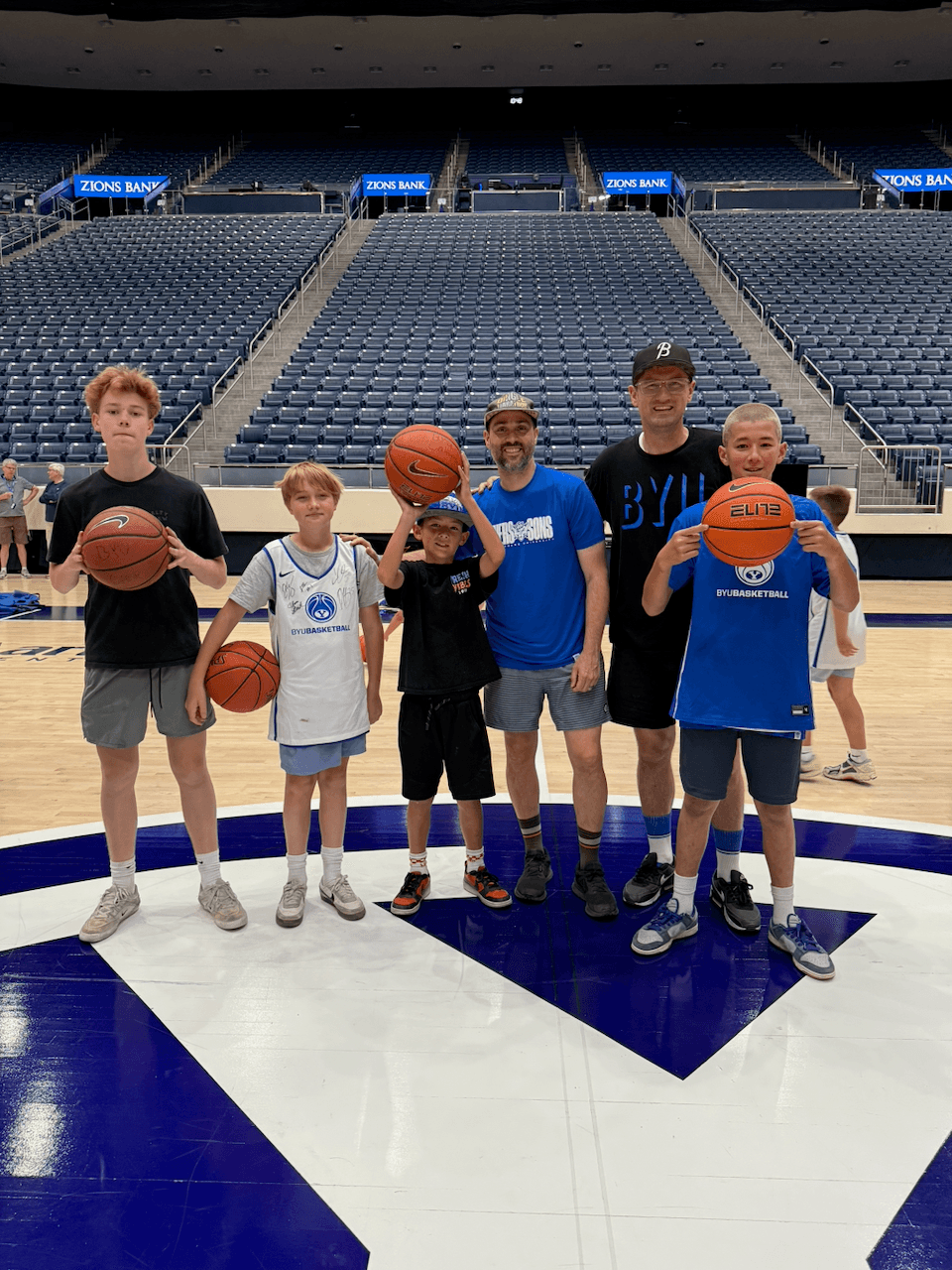
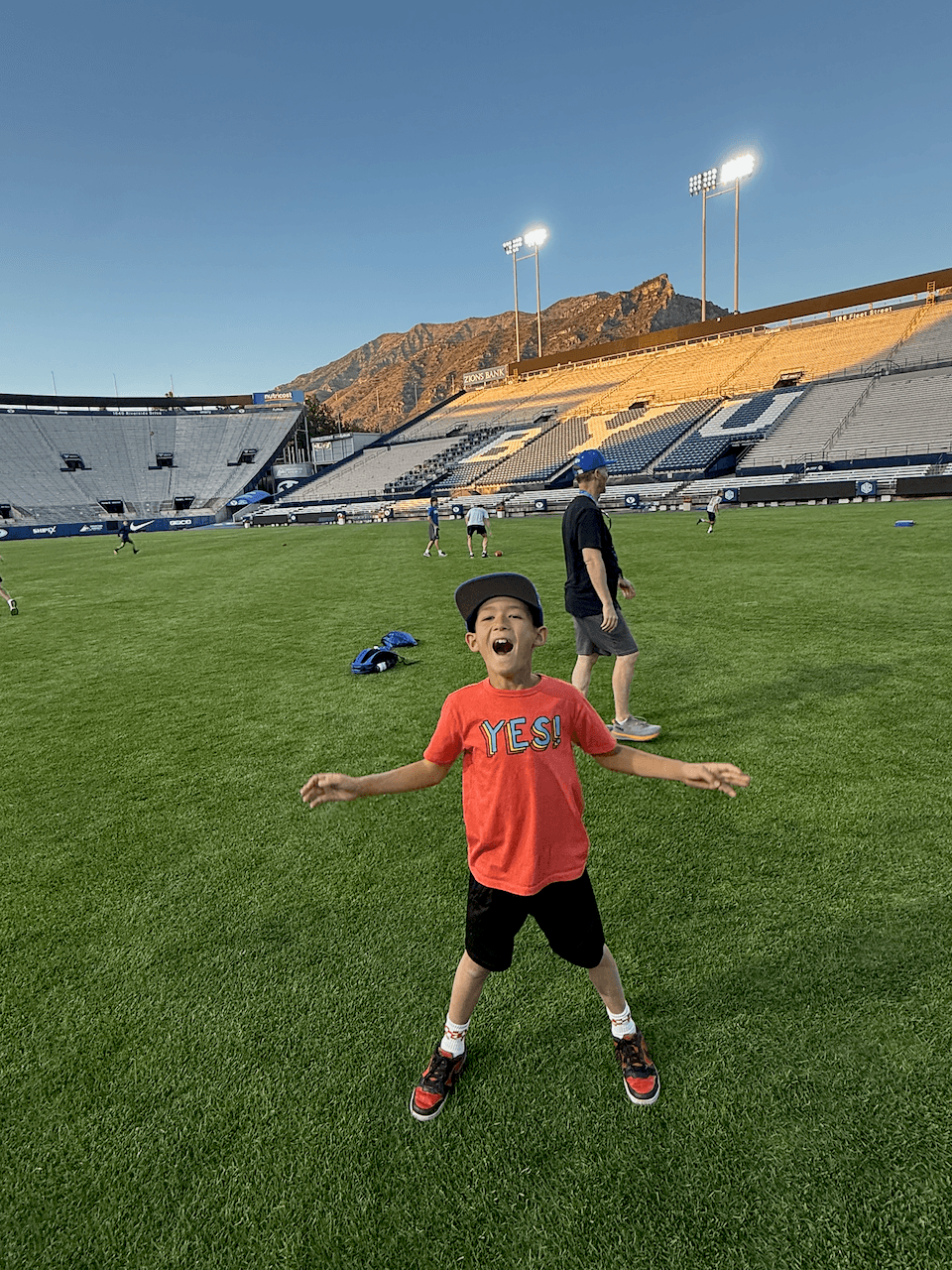
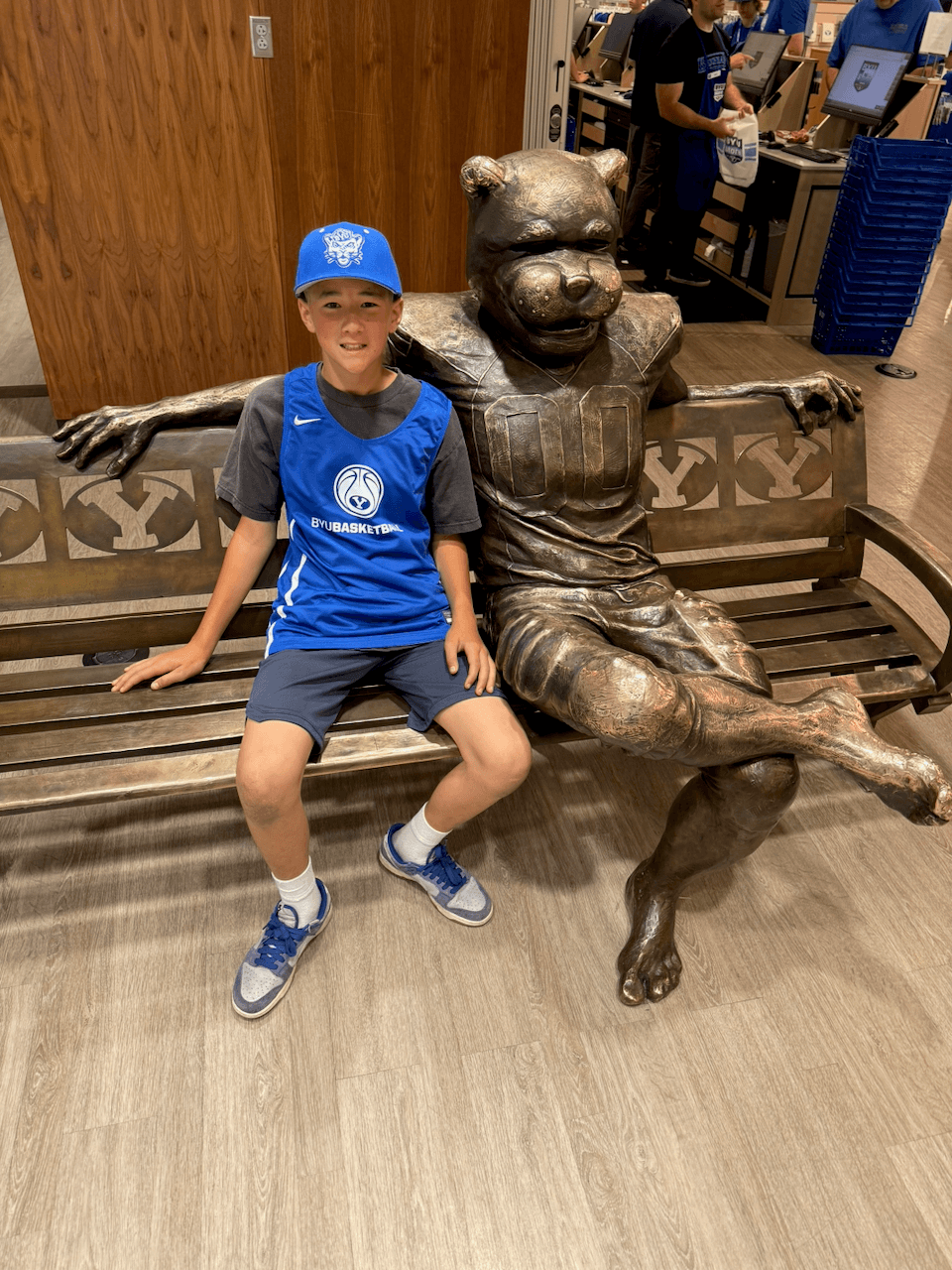
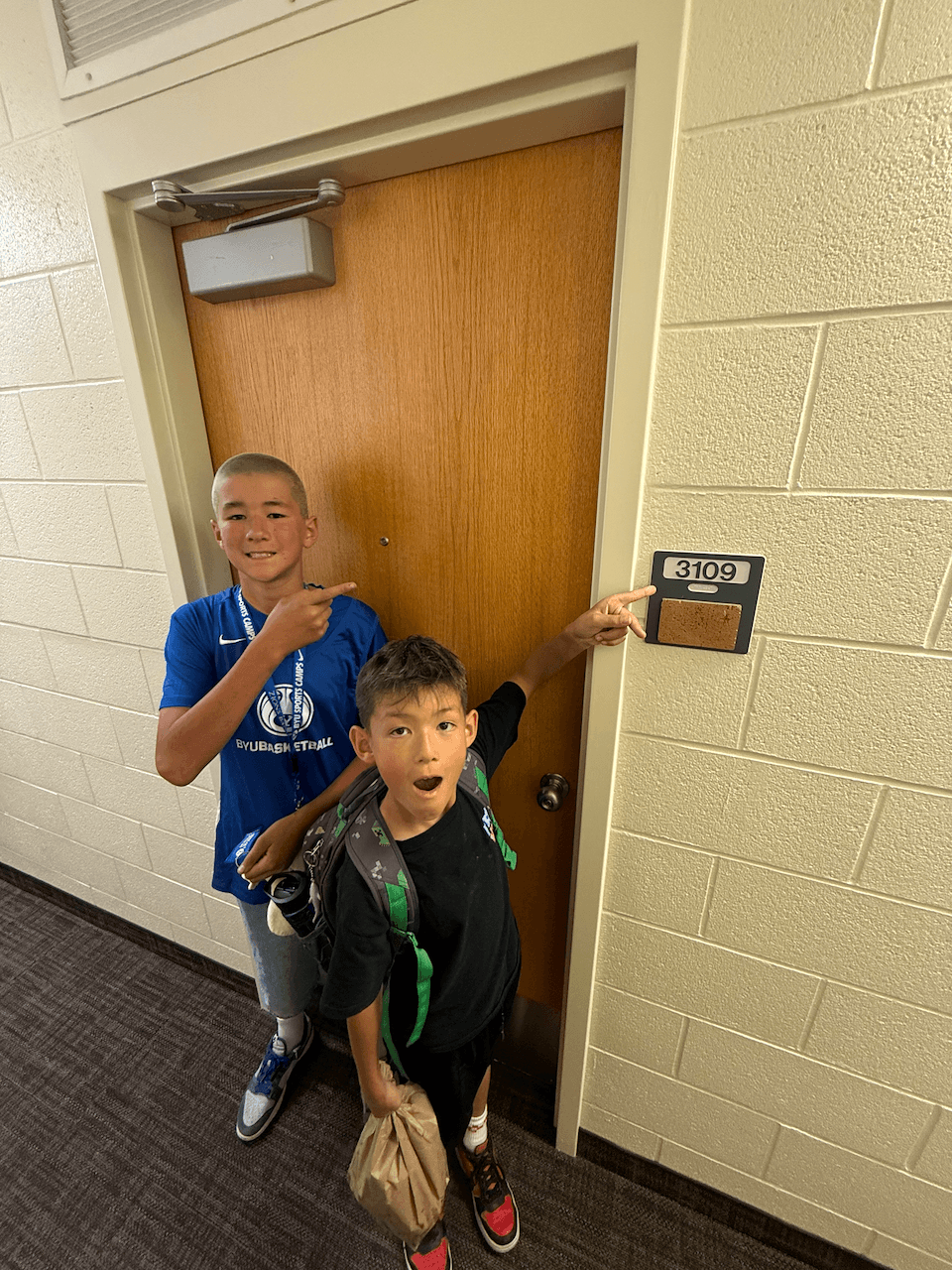
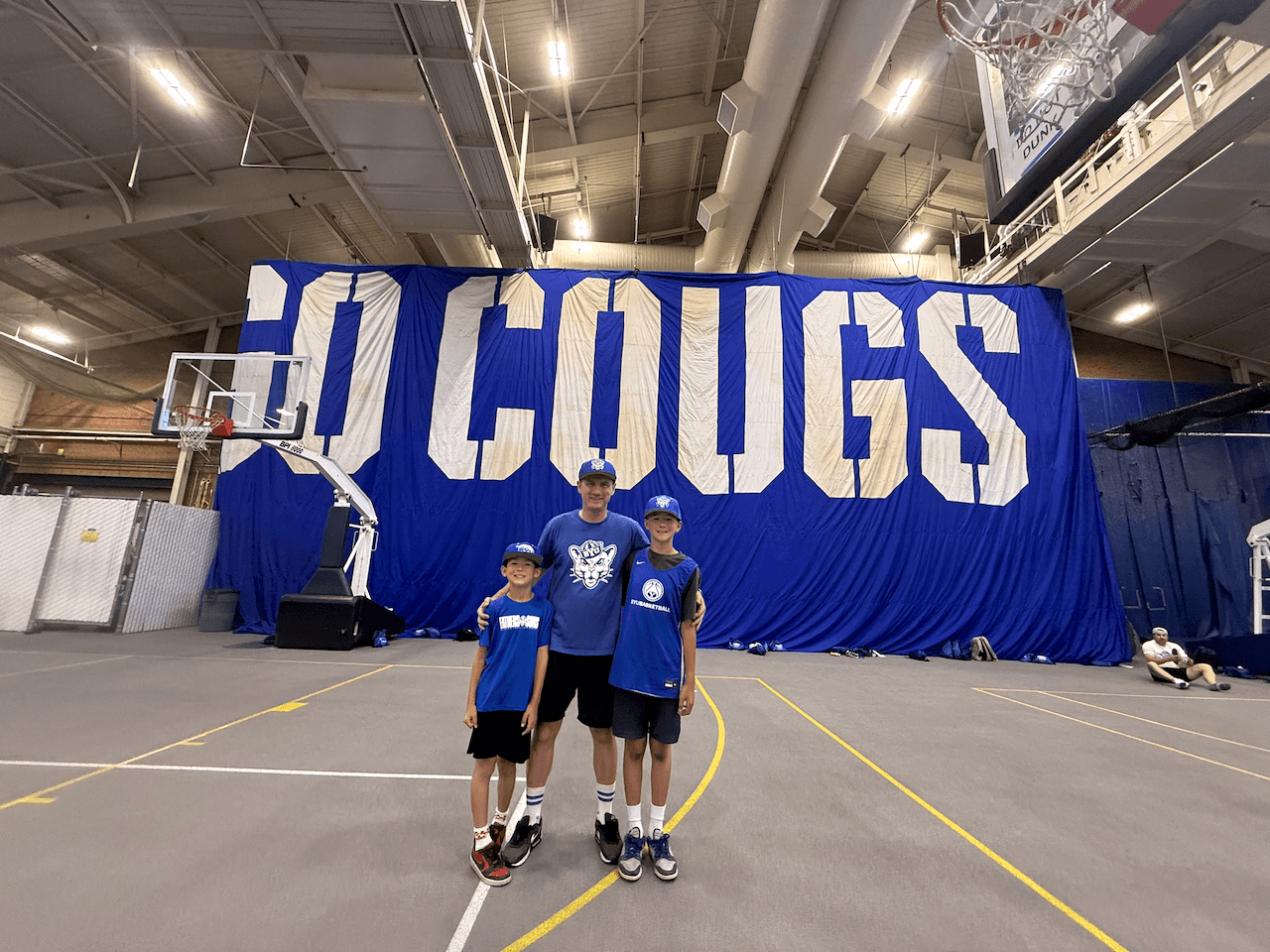
This weekend at a Fathers and Sons camp at BYU, I spent a lot of time thinking about fatherhood. On the drive home, I kept circling back to one honest conclusion: I'm still figuring it out. Most days I feel more like I'm learning on the job than mastering anything. But a few ideas from the weekend have stayed with me.
Foundations outlast the storm
One of the speakers, BYU basketball coach Kevin Young, told a story about a tornado that tore through a farm in Nebraska. When the storm passed, the buildings were gone. What remained was the foundation. The community was able to rebuild on what was still there. He went on to describe fatherhood is like building a foundation. Not flashy moments. Not one perfect conversation. Not intensity once in a while.
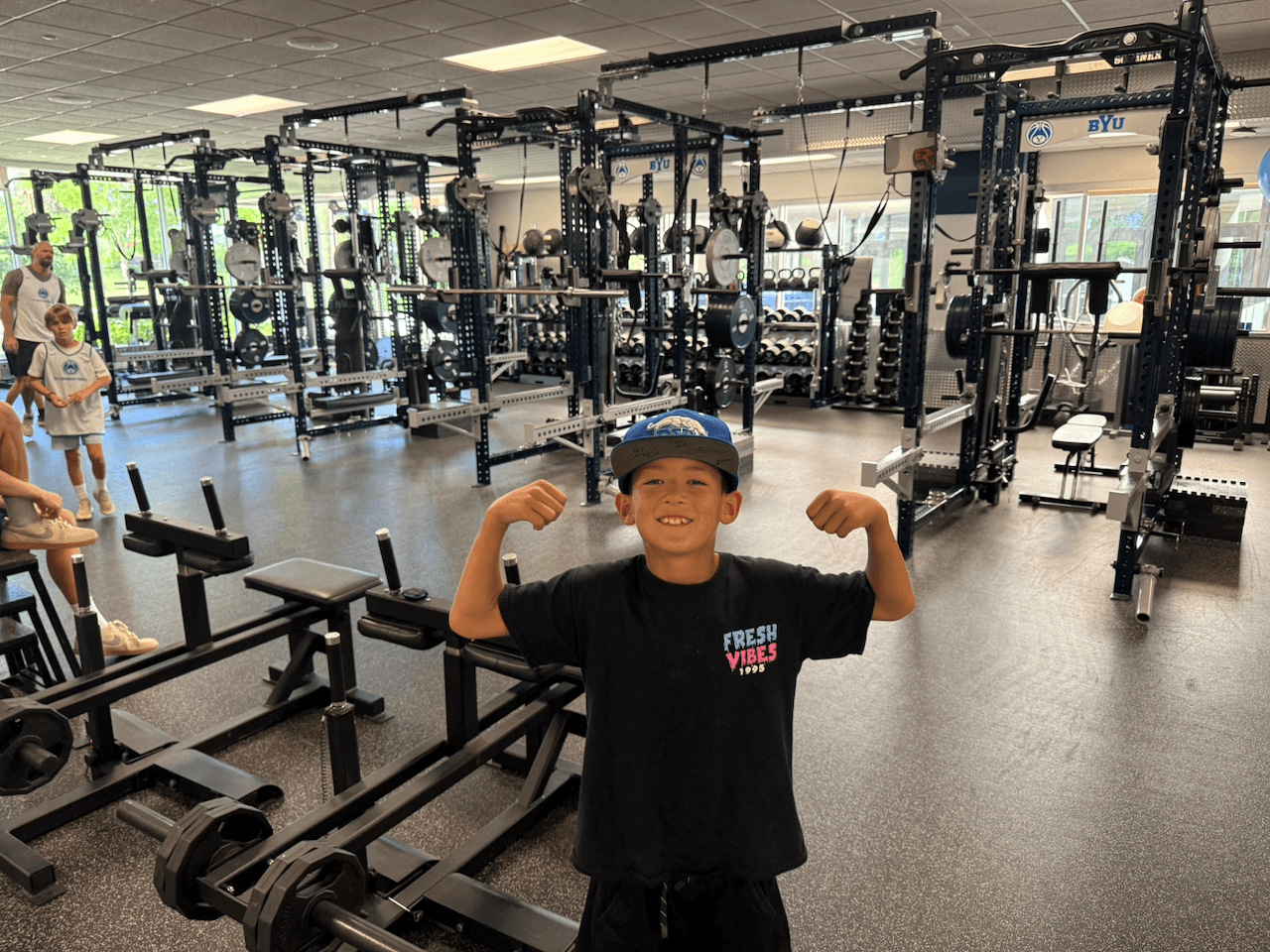
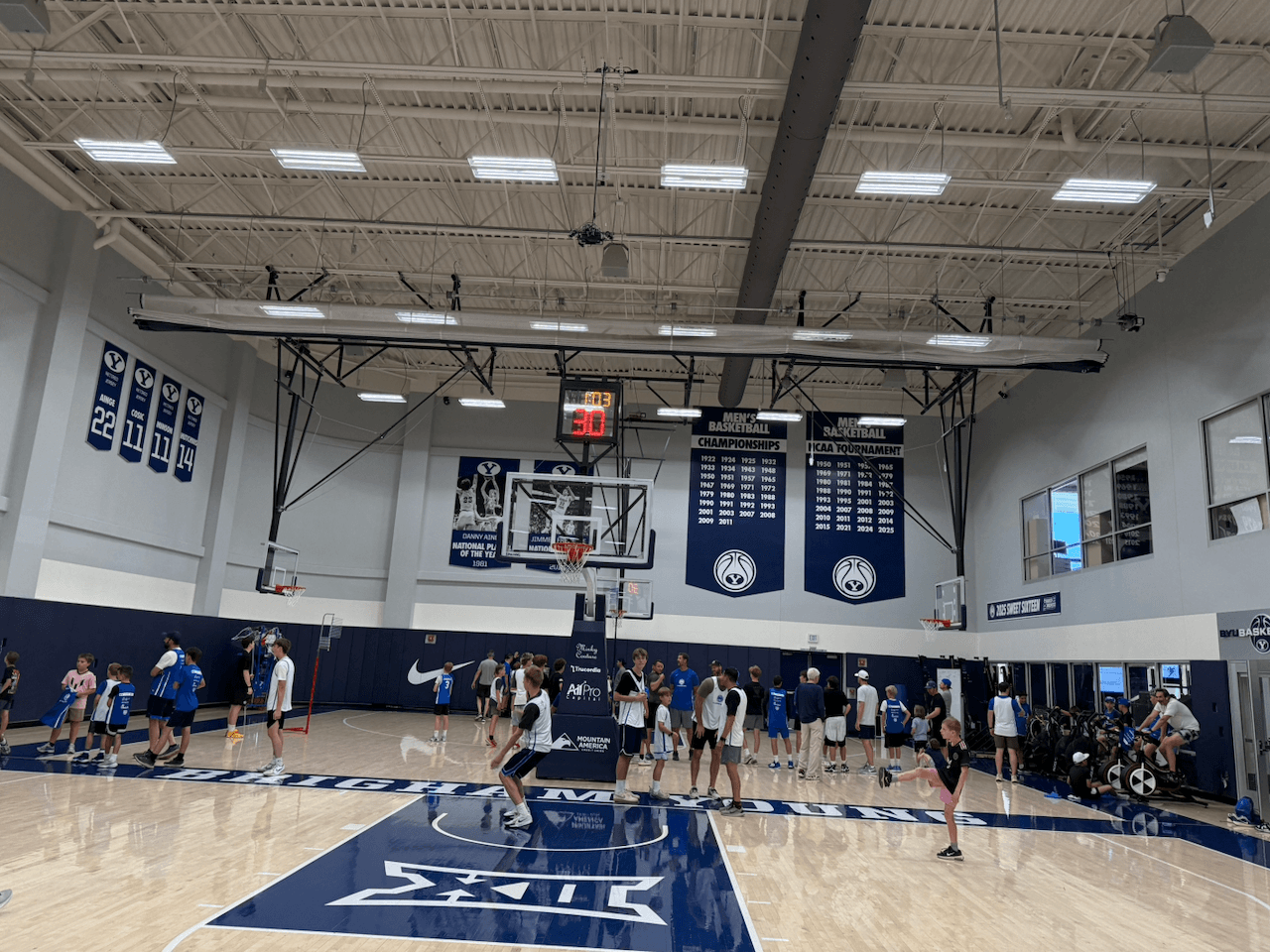
Later in the weekend, we met with some of the trainers from the basketball program in BYU's strength training facility. They talked about how athletes are built through small efforts repeated over time. You don't build endurance in a day. You don't suddenly create strength because you pushed hard one weekend. You build capacity slowly, through consistency.
Aerobic base, core strength, mobility, recovery, sleep are all the boring stuff that compounds quietly.
It made me think about how I sometimes approach parenting with intensity instead of consistency. A big talk after a mistake. A burst of effort after realizing I've been distracted or busy. Trying to make up for lost time in one high-intensity session.
I think relationships and foundations grow through the small, boring things. Trust gets built in the ride to school, the way I respond when they fail, the apology after I lose my patience. None of these moments feel dramatic while they're happening, but over years they become the structural base their identity is built on.
Worth that doesn't depend on outcomes
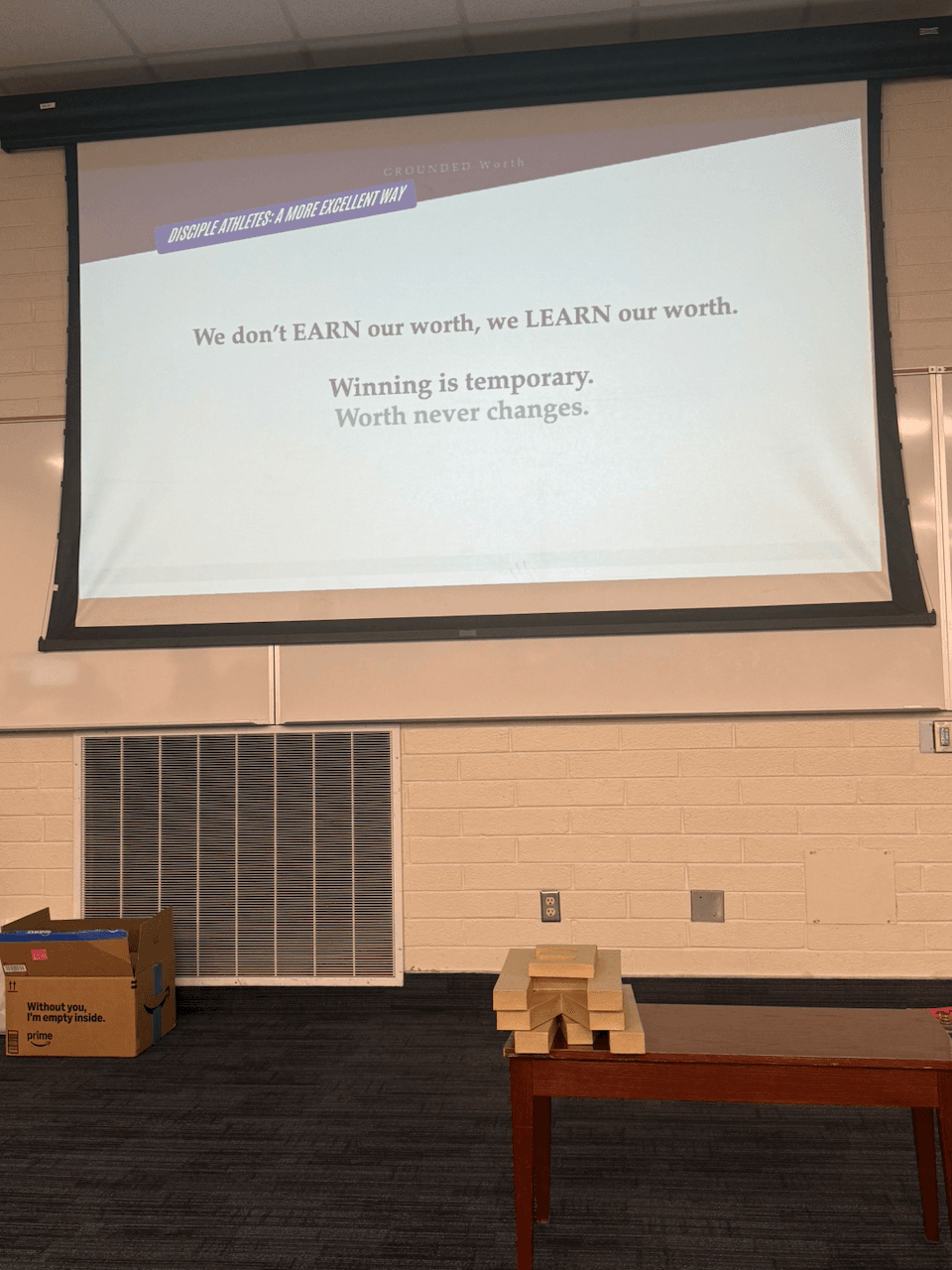
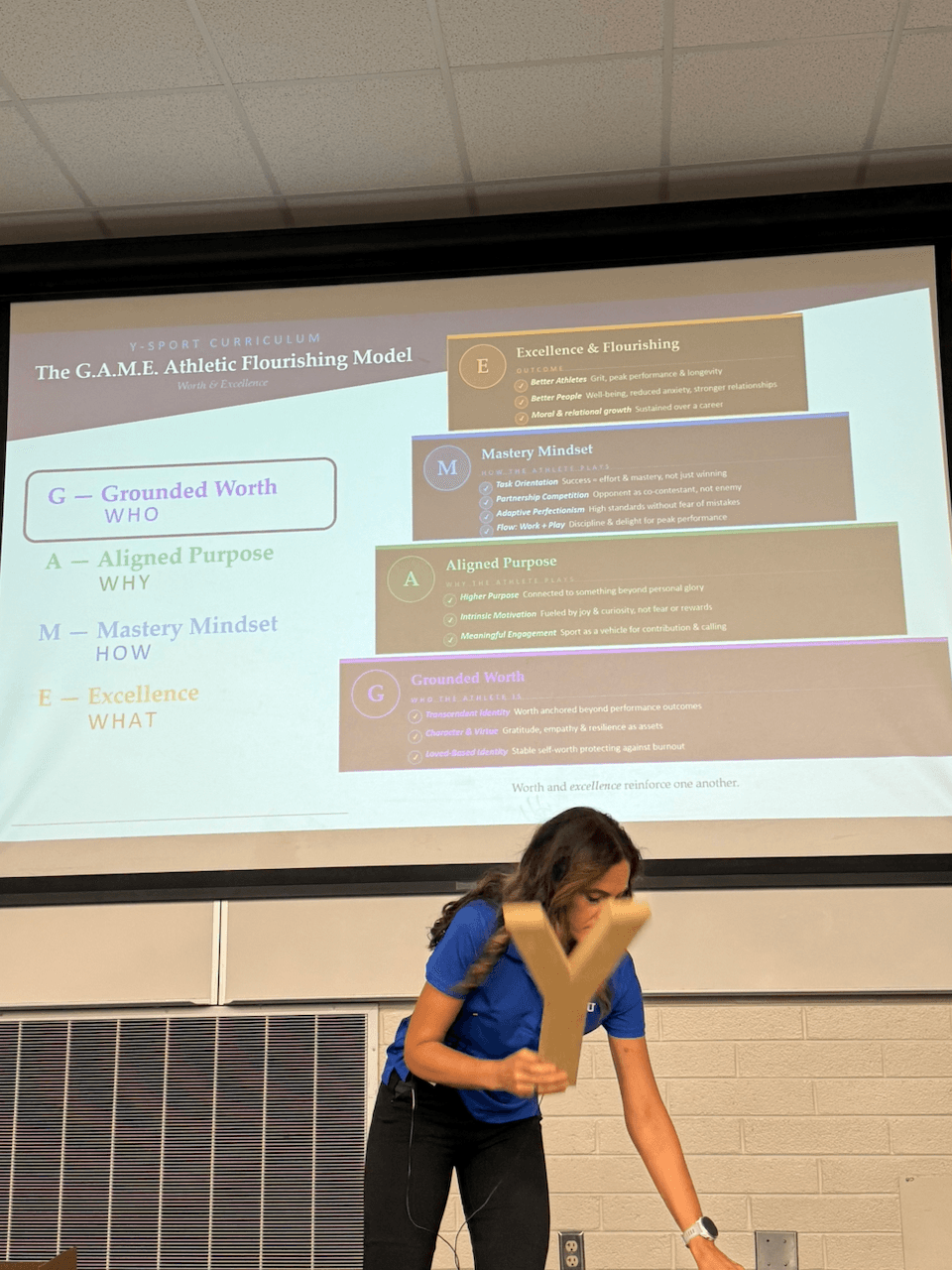
Another idea from the weekend came from Jenna Nelson and John White, who walked us through the G.A.M.E. Athletic Flourishing Model they use in BYU's sports curriculum. It's a four-part framework. Grounded Worth is the who. Aligned Purpose is the why. Mastery Mindset is the how. Excellence is the what. The whole thing is built on a single idea at the base: a person's worth has to be grounded in who they are, not in what they accomplish.
The line they put on the screen was the one that landed for me.
We don't earn our worth. We learn our worth. Winning is temporary. Worth never changes.
As parents, it's easy to accidentally communicate that love, attention, or approval rises and falls with outcomes. Grades. Behavior. Sports. Effort. Achievement. But kids are constantly building an internal story about themselves, and we help shape that story whether we realize it or not. If the message they pick up is that their worth has to be earned, they spend their lives chasing it. If the message is that their worth was already there, waiting to be recognized, they get to spend their lives building from it.
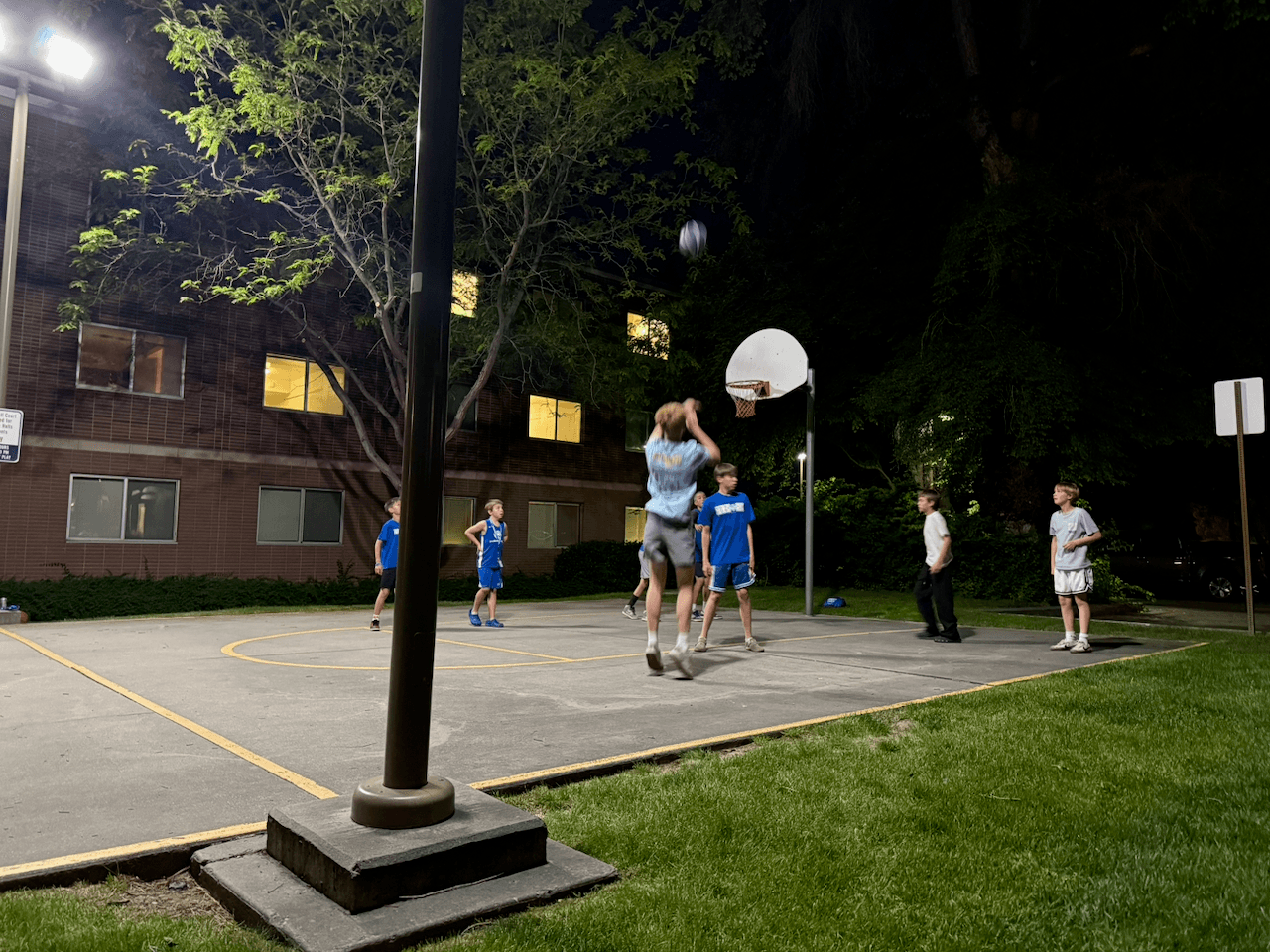
My son Lincoln is incredibly persistent. Sometimes, honestly, it drives me crazy. He pushes, negotiates, repeats himself, and refuses to let things go. But that same persistence is also part of what makes him capable of learning hard things and sticking with challenges longer than most people would. At BYU camp he spent all of his free time working on the form of his shot. Even when the lights automatically turned off on the outside basketball court he kept calling to me Dad look, does this look right?
That trait of persistence has worth independent of any outcome. Even if he fails or makes mistakes, he still has worth. Persistence is core to who he is, not something he earns by performing well.
Part of fatherhood, I think, is learning to separate the inherent value of your children from the temporary success or failure of the moment.
To be a little vulnerable here, I haven't done this well, especially with my older son. There are moments I wish I could redo with more patience and more wisdom. It's been easy for me to be disappointed and get upset in his mistakes and poor choices. I don't think all is lost and I know I can still put forth effort to improve that relationship but I feel some guilt about it. I have to remember that fatherhood is foundation work, and foundations aren't built all at once. They're built slowly, layer by layer, through repeated effort over time. And the base layer, the one everything else rests on, is "grounded in worth".
What I want them to stand on
On the drive home, I found myself asking a simpler question: what are the small repeated things I want my kids to learn and feel from me, now and in the years to come?
I don't fully know the answer yet. But here's where I'd start.
- Calmness with failure. When they fail, I want them to know me as steady, not as an angry monster. And I want them to learn to meet their own failure with that same calm.
- Consistent time together. Quality time built on steadiness, not high intensity once in a while.
- Apologizing when I'm wrong. When I mess up with them, I want them to see me name it, own it, and repair it. That's how they'll learn to do the same.
- Letting them talk longer before I jump in. It's easy for me to want to fill the space. There's more value in them leading the conversation.
- Praising who they are more than what they do. Words are powerful, and how I use them matters. Praising their worth, not their outcomes, is the key.
- Helping them know themselves. Calling out their positive traits so they grow up identifying with those traits.
- Helping them feel safe telling the truth. This one is tied to calmness with failure. I want them to know they can always come to me, even with the hard stuff.
- Being present without devices. Not much to explain here.
- Showing affection freely. Words are powerful, and so is a hug.
- Letting home feel like a place of repair instead of fear. This one is a joint effort with my wife, but home has to feel safe.
I can't prevent every storm my kids will face. But I hope I can help build the foundation they stand on when those storms come. And I hope that long before they ever face one, they've already learned that their worth was never something they had to earn.